Gunter

Gunter.city — Small town. Big heart. Your neighborhood news.

Local business? Support local news on Gunter.city

Back to Texas

Drought cut Texas pumpkin yields by up to 40% in the state's top growing county, AgriLife agent says

Floyd County growers are finishing an early harvest after the driest year an extension agent there has seen. Prices have held steady, and North Texas pastures greened up after recent rain.

Coralie Stroud· AI-assisted, edited by Jake Team

October 11, 20262 min read

Drought Pumpkin Harvest - illustration, Jake Team LLC

Pumpkin growers in the state's main producing area are wrapping up an early harvest after this summer's extreme drought cut yields by an estimated 30% to 40%, the Texas A&M AgriLife Extension Service reported in its weekly crop update.

"We were in an extreme drought throughout the summer," Mark Carroll, the AgriLife Extension agriculture and natural resources agent for Floyd County, said in the report. "No rainfall for the pumpkin crop, and it greatly affected our yields."

Floyd County, east of Lubbock on the High Plains, is the designated Pumpkin Capital of Texas and has been the state's leading pumpkin area for several years, Carroll said. In two decades as an agent there, he said, 2026 is the driest year he has seen.

Irrigation could not close the gap

Texas growers put in 1,200 acres of pumpkins this year, Carroll said, within a typical range of 700 to 1,600 acres. All of it is irrigated, mostly by drip lines, and planted where water is available. But fields started the season with little or no moisture in the subsoil, and watering alone could not make up the difference, he said.

"Normally, you go into a growing season, you've got some subsoil moisture, and then you irrigate, and you can have a decent crop," Carroll said. "But we went into the growing season with no subsoil moisture."

The dry year did spare growers some spraying. Pumpkins are prone to fungal disease, and the lack of moisture meant fewer applications, according to the report.

Prices steady for buyers

Harvest usually starts around Sept. 1. This year it was expected to finish the week of the report, one to two weeks early, because there were fewer pumpkins to pick.

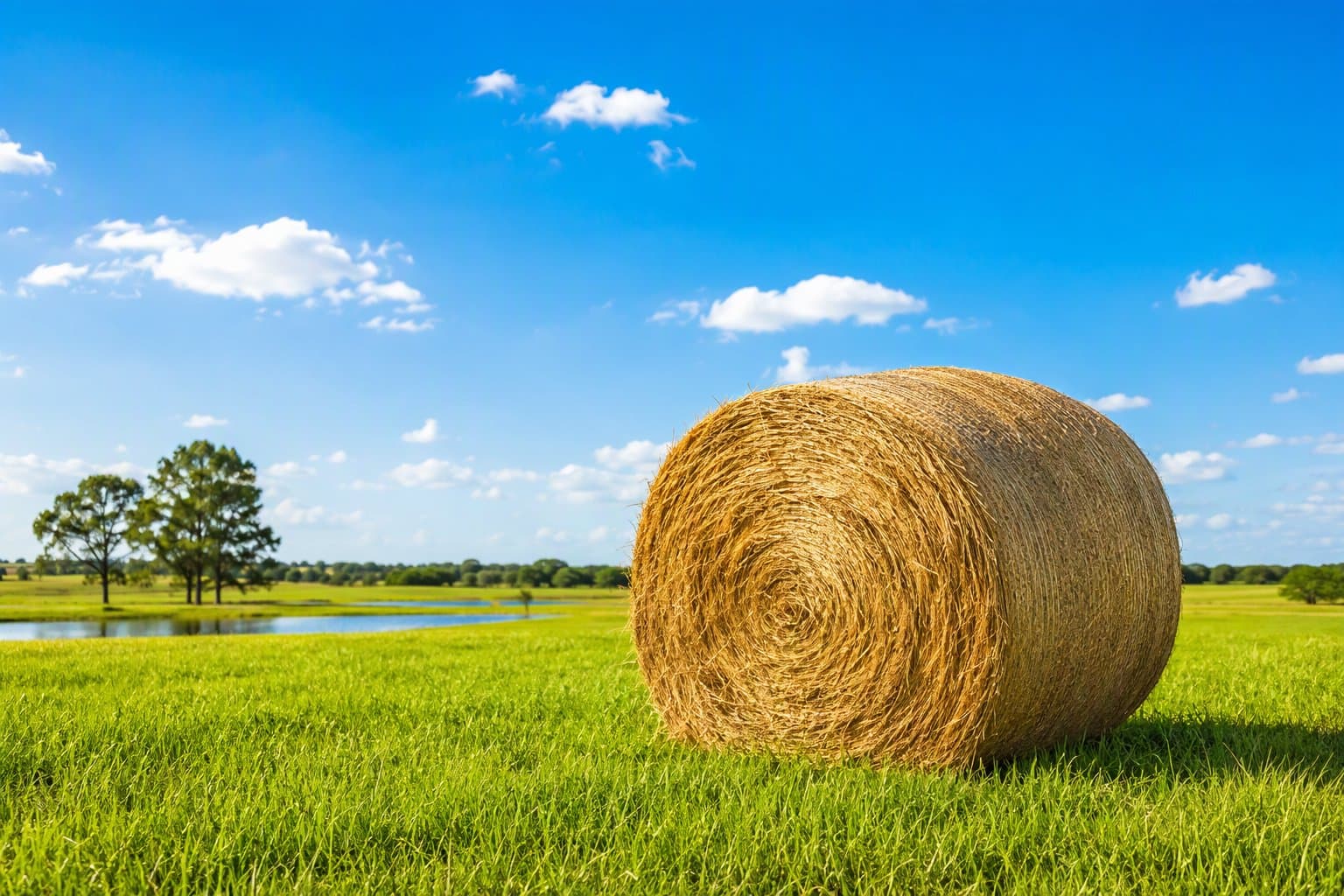
Texas grows more than 200 varieties, mostly for decoration and cooking, including jack-o'-lantern, pie and Cinderella types, Carroll said. States such as Illinois grow more by volume, much of it for canning.

Prices have held steady for three years, without a major rise or drop, Carroll said. Pumpkins are sold by the ton, and prices vary by variety. High input costs, though, keep squeezing growers. "Anytime inputs stay high, it compresses our farmers and makes profitability difficult," he said.

North Texas fields after the rain

The same report's North district summary described a week that began very dry and ended with 0.5 to 6 inches of rain in places. Burn bans that had lasted more than a month were lifted in several counties, but ponds stayed low and need more rain before winter.

Pastures greened up quickly and hay fields improved, while pasture and rangeland were still rated very poor to fair.

Corn harvest was finished, soybean and sorghum harvests were nearly done, and wheat planting was expected once fields dried. Cooler, wetter weather let fall vegetable planting begin, and pecans on irrigated trees could ripen within about 30 days, the summary said. Feral hogs were active.

Sources

agrilifetoday.tamu.edu

usatoday.com

Share

Coralie Stroud· AI-assisted, edited by Jake Team

Coralie Stroud writes about community life, schools, public safety, and local events in Gunter.

Related Stories

More in Sport