Gunter

Gunter.city — Small town. Big heart. Your neighborhood news.

Local business? Support local news on Gunter.city

Back to Texas

A historically strong El Niño could bring a wet, cool winter and help refill dry Texas subsoil, state climatologist says

Early October storms left standing water in some fields, but AgriLife specialists say that moisture is shallow. In North Texas, last week's farm report showed dry pockets, wheat planting underway and pastures improved where rain fell.

Coralie Stroud· AI-assisted, edited by Jake Team

October 20, 20262 min read

El Niño Texas Winter - illustration, Jake Team LLC

Texas farmers and ranchers who have spent years short on deep soil moisture may get help this winter from an El Niño that the state climatologist says is close to as strong as one can get.

John Nielsen-Gammon, the Texas state climatologist and a Texas A&M atmospheric sciences professor, told Texas A&M AgriLife Today that no past El Niño matches this one exactly, but six in the last 75 years came close. Those years, he said, "generally produce wet weather from October through April, especially October through February," with temperatures a bit cooler than normal, mostly because of the rain.

They also brought more snow to the northern half of the state.

He said computer models of this year's event point the same way, and that outlooks show it peaking around December before weakening through spring. A La Niña could follow next year, he said, calling this winter "probably a one-shot deal."

Wet on top, dry below

Rain earlier this month left water standing in fields in parts of Texas, but Ronnie Schnell, the AgriLife Extension state cropping systems specialist, said that is mostly surface moisture. That is one reason most of the state still shows up in drought on the U.S. Drought Monitor, he told AgriLife Today.

Years of short rainfall have left subsoil dry in many areas, Schnell said, and gains from a wet spring tend to disappear fast without that deeper reserve. Low streams, ponds and lakes reflect the same shortage, he said.

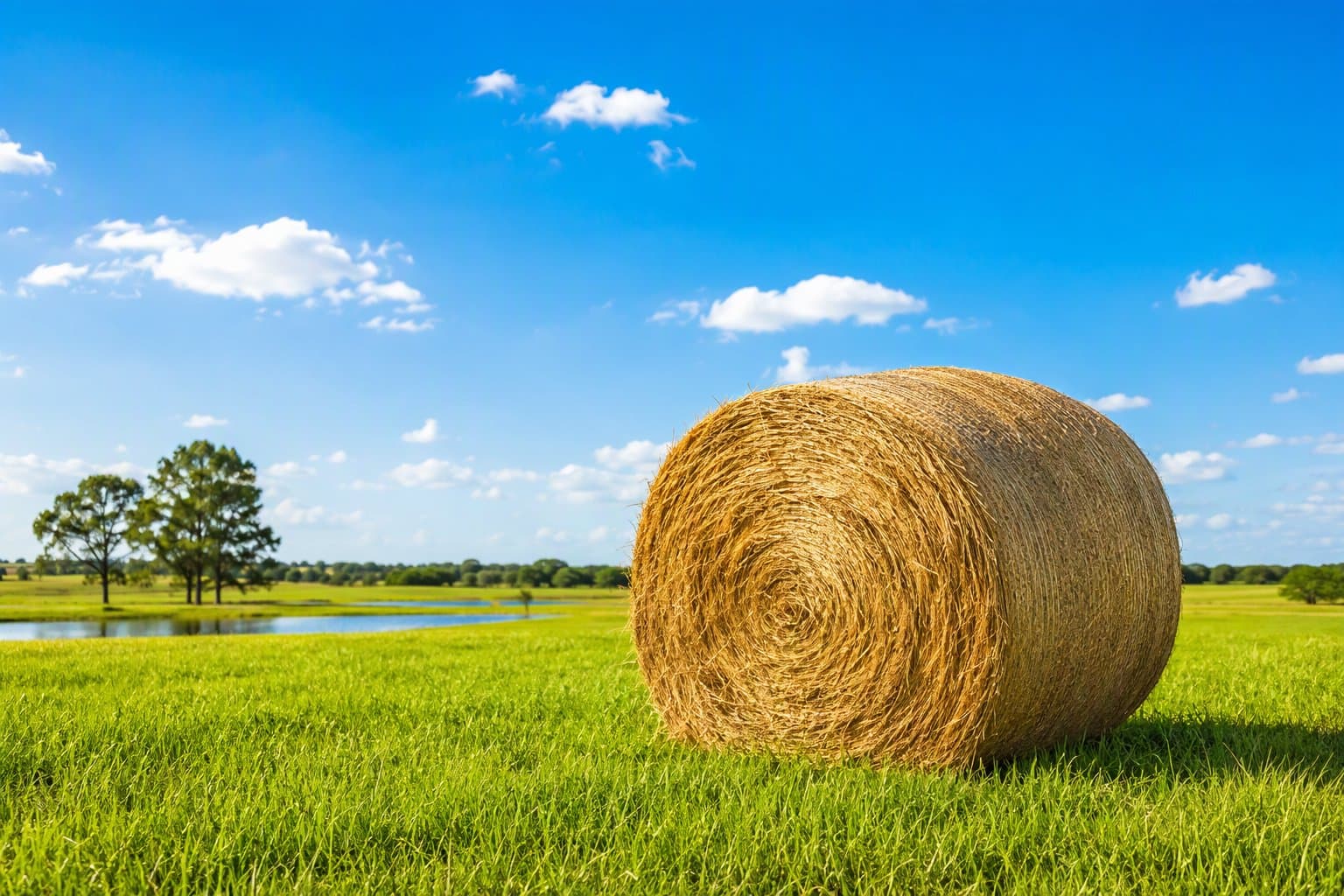
A wetter winter would help, though repeated rain over the next month could also keep equipment out of fields while growers try to plant winter wheat, oats and cool-season forages.

North Texas farm conditions

The weekly crop summaries from AgriLife's district reporters described a mixed week in the North district. A strong cool front late in the week pushed Friday highs into the low 60s, while parts of the district got no measurable rain and soils dried quickly where it did fall. Topsoil and subsoil moisture ranged from very short to adequate.

Summer crops were out of the field, and winter wheat planting was underway, with early wheat and oats already up. Some producers were holding off on grain planting to dodge Hessian flies and fall armyworms, the report said. Pastures had improved noticeably where rain fell, livestock were in fair to good shape, and feral hogs were active in some areas.

Sources

agrilifetoday.tamu.edu

Share

Coralie Stroud· AI-assisted, edited by Jake Team

Coralie Stroud writes about community life, schools, public safety, and local events in Gunter.

Related Stories

More in Sport